Why Pre-Approving Influencer Posts Saves Time Later
In today’s fast-paced digital marketing world, working with influencers and creators is a powerful way to amplify brand messaging and reach engaged audiences. However, when it comes to regulated categories — such as hemp/CBD and health-adjacent products — brands must carefully manage their influencer content to avoid compliance issues and costly delays.
Many brands discover the hard way that skipping or rushing the approval process often leads to takedown delays, noncompliant claims slipping tomoson through, or worse, regulatory scrutiny from agencies like the FTC (Federal Trade Commission). But by implementing a robust pre-approval workflow, brands not only reduce risk but also save time later by catching noncompliant claims early and ensuring workflow efficiency.
The Brand’s Responsibility for Creator Claims
Brands must understand that when partnering with influencers, they share responsibility for the content those creators produce, especially when claims about products are made. The FTC emphasizes that both brands and endorsers should ensure all advertising is truthful and substantiated.
For example, Joy Organics, a leading hemp and CBD brand, takes influencer marketing seriously by providing comprehensive guidelines and training. They know that unapproved health claims can trigger FTC warnings or legal challenges, jeopardizing not just an individual campaign but the brand’s reputation and legal standing.
What Does This Responsibility Entail?
- Monitoring influencer content to verify it aligns with brand claims and legal requirements.
- Providing clear, approved messaging that follows regulatory guidelines.
- Enforcing consequences for creators who post disallowed or unsubstantiated claims.
Many brands learn from agencies like Tomoson, which specializes in influencer marketing, that having strict pre-approval processes can dramatically reduce risk.
FTC Training and Monitoring Expectations
The FTC doesn’t just expect brands to issue vague disclaimers — they recommend active training and monitoring of creators. This is especially critical for regulated products where certain health claims are tightly controlled.
Pre-approving influencer posts is a key step to meet these expectations:
- Training: Brands should educate creators on what is and isn’t allowed before any posts go live.
- Monitoring: Reviewing content before publishing helps catch inaccurate or unauthorized claims early.
- Compliance: Ensuring that all content meets FTC guidelines avoids costly takedowns or fines.
Some brands leverage platforms that integrate with tools from Meta and Google to monitor influencer postings and verify compliance in real time.
Approved vs Prohibited Language Lists
One practical method for streamlining approvals is by providing creators with clear, easy-to-follow language lists — identifying both approved and prohibited phrases.
Approved Language Prohibited Language “Supports overall wellness” “Cures chronic illness” “Made from natural hemp extract” “FDA approved” “Promotes relaxation” “Prevents or treats disease”By pre-approving posts using these lists, brands can catch noncompliant claims early — preventing confusing takedown requests or the need to scramble for edits post-publication.
Health Product Claim Limits: A Critical Consideration
Health-adjacent product categories such as supplements, hemp, and CBD face strict oversight of what claims can be made. According to the FTC and FDA guidelines, unsubstantiated health claims like “treats anxiety” or “heals inflammation” are prohibited unless backed by scientific evidence and regulatory approval.
Brands that sell such products must convey this clearly to their influencer partners. Pre-approval workflows act as guardrails, verifying any claims about product benefits stay within legal limits. Additionally, brands can leverage Meta and Google’s ad policies monitoring to identify any flagged language on paid posts early.
Consequences of Not Pre-Approving Influencer Posts
- Delayed campaign launches: Having to request edits or takedowns after content is live wastes time and slows momentum.
- Regulatory risks: Noncompliance with FTC guidelines can result in warnings, fines, or brand damage.
- Loss of influencer relationships: Last-minute demands or public removal requests frustrate creators and hurt partnerships.
- Wasted budget: Paid amplification becomes ineffective if ads are disapproved due to content issues.
How Pre-Approval Improves Workflow Efficiency
Adopting a formal pre-approval process organizes and simplifies influencer marketing operations. Here’s how it improves the workflow:
- Early Detection: Brands catch problematic language or claims before the content is scheduled to post.
- Clear Communication: Review feedback and adjustments are consolidated before publishing rather than reactive edits post-launch.
- Reduced Takedowns: Eliminates downtime spent requesting or enforcing content removal.
- Consistent Compliance: Builds trust with influencers and regulators by demonstrating a commitment to clear, legal messaging.
- Efficient Scaling: Standardized processes supported by tools like Tomoson make it possible to scale influencer programs without increasing compliance risk.
Case Study Snapshot: Joy Organics and Influencer Content Approval
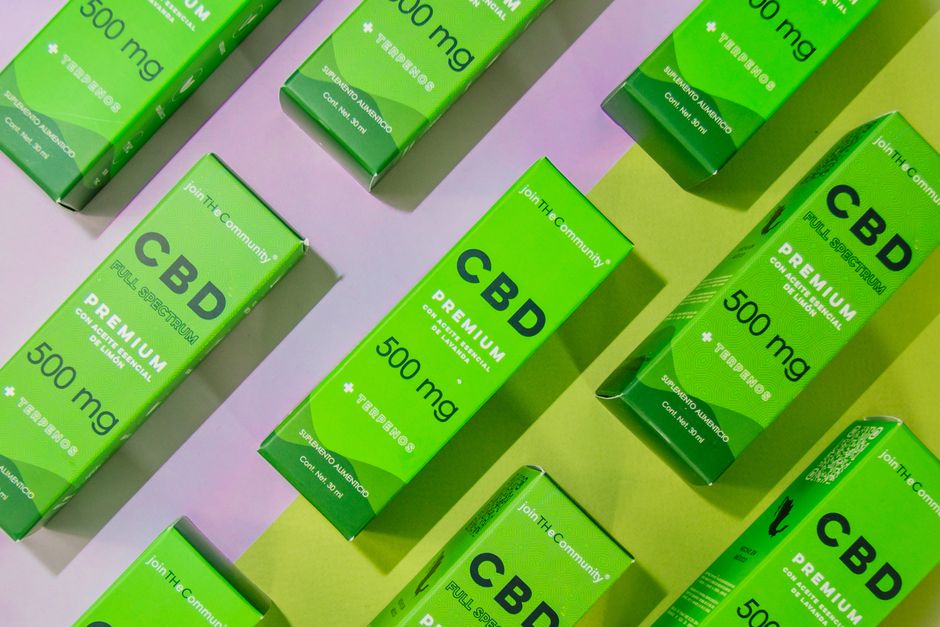
Joy Organics exemplifies robust influencer program management in a regulated category. Their compliance team integrates pre-approval checks aligned with FTC guidelines and uses third-party monitoring tools to flag claims for review automatically.
This approach has enabled Joy Organics to confidently launch influencer campaigns with:
- Zero post-launch takedowns in the last 12 months.
- Streamlined delivery timelines, improving campaign speed by 20%.
- Increased brand safety and consumer trust across marketing channels.
Conclusion: Investing Upfront Saves Time and Protects Brand Integrity
Pre-approving influencer posts is no longer optional for brands operating in regulated categories. It is a vital strategy to control risk, uphold brand reputation, and maintain workflow efficiency. By catching noncompliant claims early and using clear approved/prohibited language guides, brands avoid costly takedown delays and regulatory headaches.

Tools and platforms, including those offered by Tomoson alongside monitoring capabilities through Meta and Google, can empower teams to streamline the pre-approval process and scale influencer programs safely.
Ultimately, brands prioritize compliance not just to avoid penalties but to nurture authentic partnerships and consumer confidence in today's complex marketing landscape.
Start pre-approving your influencer content today — and save time, money, and headaches tomorrow.